Bomaker Polaris vs Epson EpiqVision Ultra LS800
This is a technology contrast as much as a model comparison: Polaris uses a DLP/RGB-laser approach, while Epson's LS800 uses 3-chip 3LCD and is rated at 4,000 lumens for both color and white brightness.
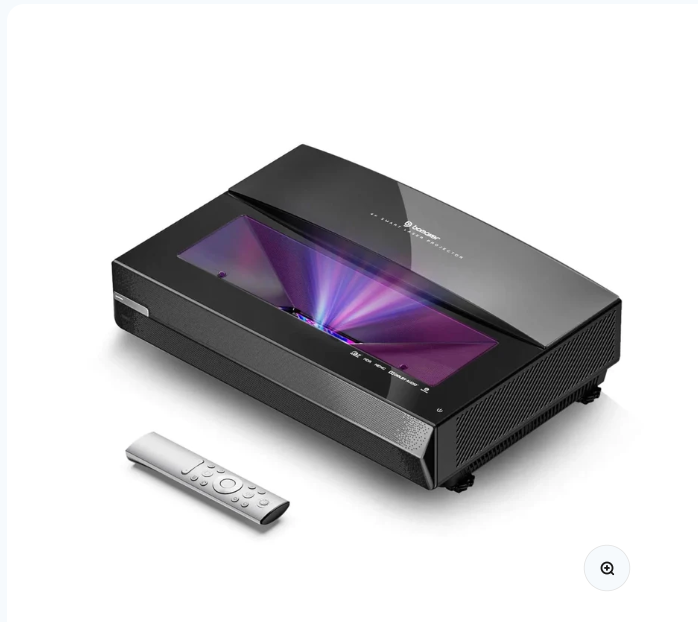
Specification comparison
| Category | Bomaker Polaris | Epson EpiqVision Ultra LS800 |
|---|---|---|
| Imaging | DLP, RGB laser | 3-chip 3LCD |
| Resolution | 4K UHD | 4K PRO-UHD |
| Brightness | 2,500 ANSI lumens, reported | 4,000 color lumens (IDMS) / 4,000 white lumens (ISO) |
| Screen size | Large-format UST | Up to 150 inches in 16:9 |
| HDR | HDR10 | 10-bit HDR color |
| Smart platform | Older Android-based interface reported | Built-in Android TV |
| Gaming | Legacy HDMI platform | 16.7 ms input lag claimed by Epson |
How to interpret the differences
The LS800's appeal is high brightness and Epson's 3LCD architecture, which avoids single-chip DLP rainbow artifacts. It is also a much newer product platform with a more integrated setup experience.
The Polaris is more compact in its value argument: RGB laser, native 4K-class presentation and UST placement at a potentially lower transaction price. Because the brightness units use different standards, room testing and screen choice matter more than a direct numeric subtraction.
Bomaker Polaris 4K UST
4K ultra-short-throw projector with an RGB laser light engine and a reported 2,500 ANSI-lumen brightness rating. Check the merchant for current price, stock and shipping terms.
Research basis
Epson LS800 specifications were checked against Epson's current EpiqVision Ultra LS800 product page. Polaris information is based on the merchant listing and published reviews.